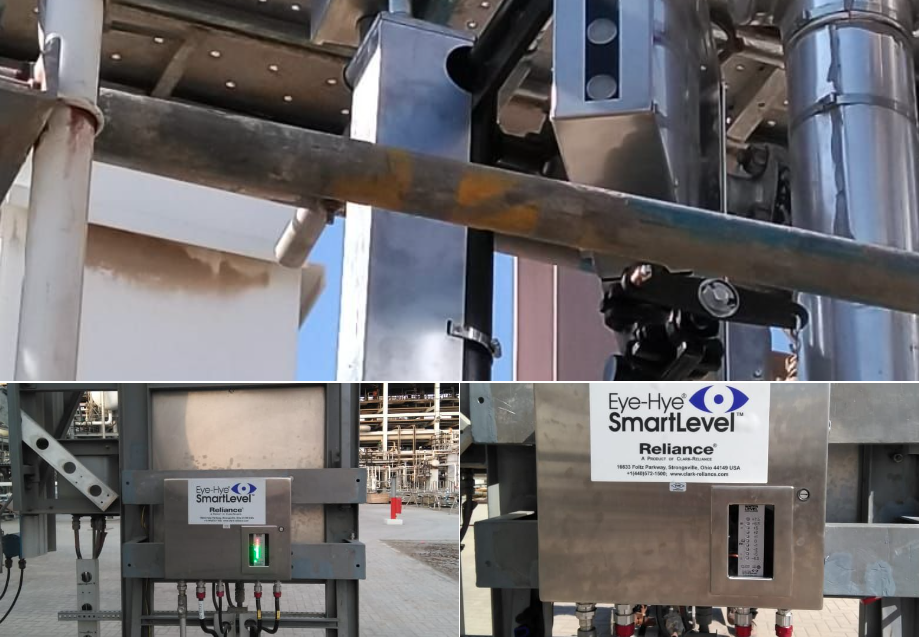
Recommended Blowdown Procedure for Boiler Level Instruments
Updated: Aug 6
Proper maintenance of water level instruments on a boiler is crucial to keeping your plant running safely and efficiently. One of the most important maintenance tasks is conducting periodic blowdowns on your gage glasses and level indicators to prevent sediment and scale buildup.
Why Blowdowns Matter
Over time, mineral deposits and sediment accumulate inside boiler gage glasses and water columns. This buildup causes fogging that obscures water level visibility, sluggish responses to level changes, and inaccurate readings. In facilities with hard water, deposits accumulate faster and more aggressively.
Regular blowdowns flush out these deposits, keeping your instrumentation clean, accurate, and responsive. This is especially important in hard water areas or high-sediment systems.
When to Conduct Blowdowns
The frequency depends on your water quality:
Hard Water Areas: Monthly blowdowns recommended
Normal Water Quality: Quarterly blowdowns (every 3 months)
Soft Water or Treated Systems: Semi-annually or annually
Always Follow Your Plant Rules: Adhere to your facility's maintenance schedule and manufacturer recommendations
Step-by-Step Procedure
Important: Before beginning, ensure the boiler is at safe operating pressure. Follow your facility's lockout/tagout procedures if required.
Step 1: Close Both Isolation Valves Locate the isolation valve at the top of the water column and close it slowly. Then close the isolation valve at the bottom. This isolates the gage from both steam and boiler water.
Step 2: Open the Drain Valve Slowly open the drain valve (petcock) at the bottom of the gage glass or water column. Water and sediment will flow out. Let it run until the water flows clear — this may take several minutes on the first blowdown.
Step 3: Close the Drain Valve Once water runs clear, close the drain valve completely.
Step 4: Slowly Reopen the Isolation Valves Very slowly open the isolation valve at the bottom first. This allows water to refill the gage gradually from the boiler. Wait a moment, then very slowly open the isolation valve at the top. Slow opening is critical — rapid opening can damage the gage or create safety hazards.
Step 5: Verify Operation Check that the water level is visible in the gage and responds correctly to boiler water level changes. The gage should now read clearly.
Tips for Success
Never Rush Valve Operations: Always open and close isolation valves slowly and deliberately. Fast opening can shock the system and damage the gage glass.
Don't Over-Blowdown: While regular blowdowns are essential, excessive blowdowns (more than weekly) cause premature wear on seals and valve seats. Stick to your recommended schedule.
Be Patient Draining: Don't cut corners on the drain phase. Wait for clear water before closing the drain valve to ensure all sediment is flushed.
Verify After Each Blowdown: Always confirm the gage is reading correctly after completing the procedure.
When to Replace Gage Glass
With proper maintenance, gage glass lasts many years. Replace the glass if you notice visible cracks, persistent cloudiness that doesn't clear with blowdown, visible corrosion, or weeping at seals. The gage body is reusable — only the glass disc and gaskets need replacement.
Video Demonstration
Clark-Reliance has produced a detailed animation demonstrating this exact procedure. This visual guide has been viewed over 250,000 times on YouTube.